Overview
Le Petit Chef is a global experiential dining concept that fuses 3D projection mapping with haute cuisine. While the visual storytelling receives widespread acclaim, public guest feedback reveals operational friction points where the physical dining experience fails to match the high bar set by the digital animation.
This unsolicited research teardown analyzes guest feedback across international locations to identify key friction points and outline actionable service design solutions.
The Challenge: Balancing Tech Sync with Guest Autonomy
Immersive projection dining relies on strict, synchronized timecodes. However, rigid digital timelines often clash with the unpredictable nature of physical dining—leading to awkward pacing, inconsistent food quality, and a “one-and-done” perception among diners paying premium prices ($150–$250+ per cover).
Methodology & Data Synthesis
A qualitative synthesis of over 100 recent public diner reviews, video audits, and guest testimonials across multiple cruise line and hotel-based venue deployments was conducted. Feedback was mapped across the end-to-end guest journey: Pre-Arrival > Seating >Synchronized Show/Course Flow > Post-Meal Offboarding.
Key Experiential Friction Points
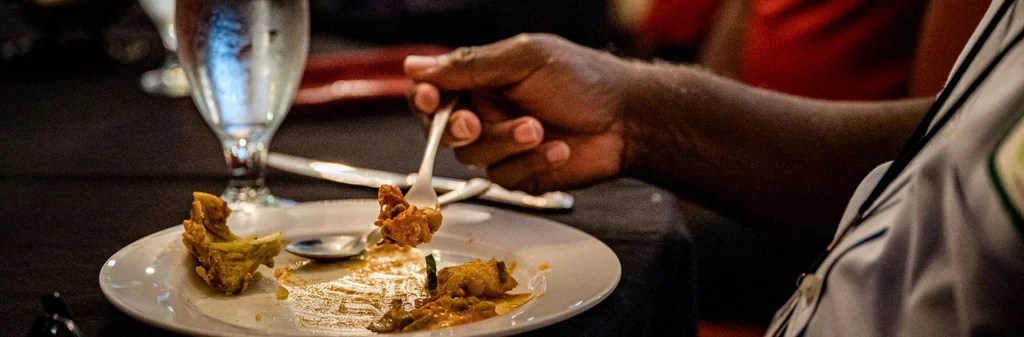
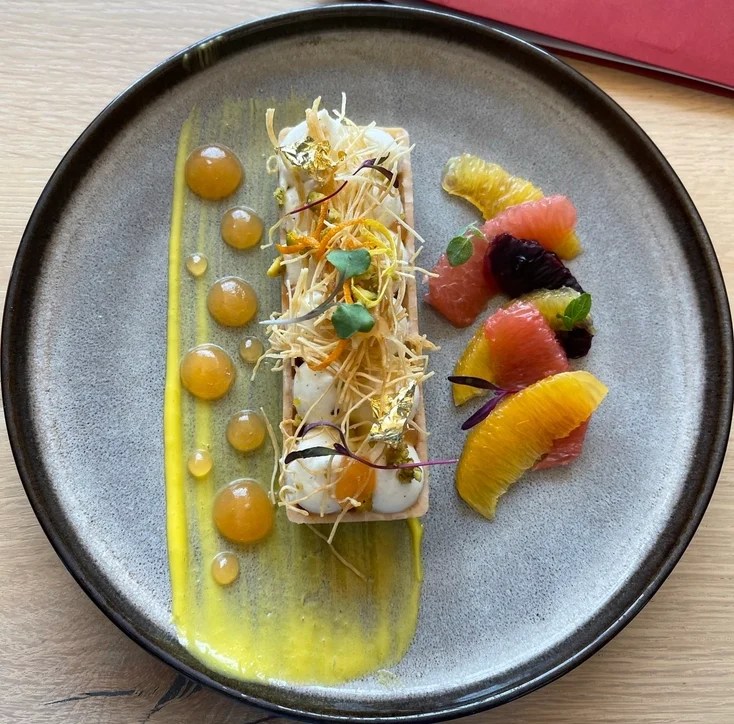
- Culinary vs. Digital Disconnect: Diners consistently evaluate the 3D animation as a 10/10, but rate the physical meal lower. Batch-cooking required for synchronized service often leads to overcooked proteins and muted flavors, creating a gap between the high price tag and perceived value.
- Loss of Pacing Autonomy: Because the animation controls the room, fast and slow eaters alike are forced into a unified rhythm. Guests report feeling “rushed” during courses or “marooned” while waiting for the entire room to clear plates before the next scene can trigger.
- The Novelty Trap (Zero Repeat Intent): Reviews frequently cite the experience as a “great one-time gimmick.” Without dynamic storytelling or customizable menu pathways, there is minimal incentive for guest retention or repeat bookings.
- Environmental Ambient Mismatch: Many installations take place in standard hotel conference rooms or banquet spaces. The lack of ambient lighting control and immersive spatial acoustics breaks the illusion, diminishing the premium positioning.
Strategic Recommendations & Service Design Interventions
- Modular Pacing Buffers: Introduce 3–5 minute “intermission lighting” scenes between courses. This uncouples strict video loops, giving service staff a flexible buffer to clear plates without making guests feel rushed or stalled.
- Tiered Culinary Experience Design: Shift from a static “banquet-style” menu to a modular pairing framework that allows kitchen teams to prep components without sacrificing texture or temperature.
- Dynamic Content Overlays: Develop seasonal or alternate animation storylines for returning guests (e.g., holiday editions or regional menu variations) to transition the business model from a single novelty visit to an annual dining destination.
- Physical-Digital Environmental Continuity: Implement low-cost environmental spatial design—such as targeted perimeter lighting, directional sound masking, and partitioned seating—to align the physical room layout with the projection’s premium aesthetic.
Value Created
By applying enterprise service design and spatial UX research to immersive dining, operators can improve food quality scores, eliminate pacing friction, and turn one-time novelty diners into long-term brand advocates.

