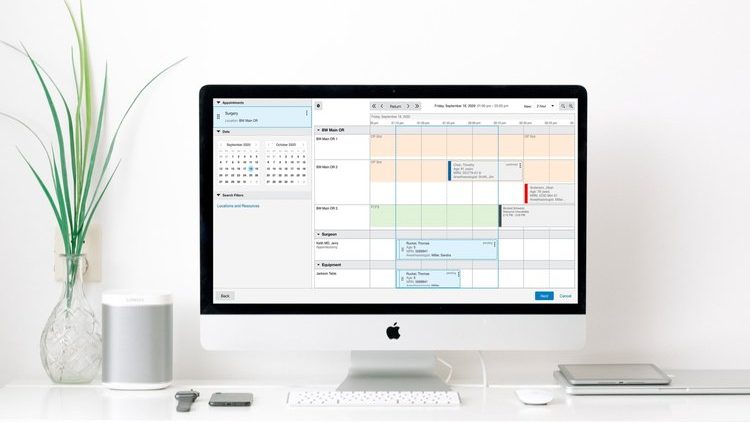
Cerner Surgical Scheduling

Designing the surgical scheduling solution for Cerner has been a complex and long-term project, spanning over three years and involving a diverse range of stakeholders. This enterprise-level application is designed to address the intricate process of scheduling surgical procedures, accommodating not only the patient and primary physician but also the full array of resources needed for surgery—operating rooms, surgical equipment, anesthesiologists, nurses, and technicians. With adoption planned for key client sites, including Sweden and the VA, the solution is poised to transform how healthcare providers manage surgical scheduling at scale.
From the outset, the project required deep discovery work to understand the challenges faced by scheduling specialists in clinical settings. I conducted extensive on-site observations and interviews across New Mexico, Florida, Kansas, and Missouri, gathering insights that shaped the foundation of the design. These visits informed initial wireframes and helped refine the information architecture, ensuring the solution was built to address real-world needs. To prevent legacy issues from carrying over, I performed a heuristic evaluation and facilitated card-sorting sessions to optimize usability.
The design process was iterative and collaborative, involving frequent feedback from subject matter experts (SMEs), stakeholders, and end users. I developed wireframes and prototypes in Axure, leveraging its ability to handle complex interactions like drag-and-drop scheduling while addressing potential accessibility issues. Rigorous usability testing with real users provided invaluable data, allowing me to refine and iterate quickly. The result was a functional prototype that tackled the unique challenges of scheduling multiple resources simultaneously while maintaining flexibility and clarity.
Collaboration with the development team was critical, especially as Cerner transitioned to a remote-first environment. Close communication with product owners, engineers, and SMEs ensured alignment throughout the project. Despite challenges, such as high attrition rates among developers, the team’s cohesion and adaptability allowed us to navigate complexities and push the project forward.
As the product evolves, it has gained significant traction, with buy-in from high-profile clients like Sweden and the VA. Notably, the solution integrates with the inpatient waitlist project, streamlining workflows for healthcare providers. The surgical scheduling solution represents a significant step forward in addressing one of healthcare’s most challenging logistical processes. This project has been an incredible opportunity to design at the intersection of technology and healthcare, delivering impactful solutions for providers and patients alike.
Please see a detailed presentation of the research for this project via the link below.

 Jen Maxted