
CareTend
Working on CareTend at WellSky was an incredible journey, starting as a small project and evolving into a company-wide initiative that reshaped their SaaS platforms. When I joined the CareTend team, the platform was a desktop-based inventory tracking system for medical equipment. My initial task was to transition a delivery component into a mobile-friendly solution. What began as a focused skunkworks project to modernize delivery workflows turned into a complete redesign of the CareTend platform—and the creation of a design system that would influence WellSky’s future SaaS products.
The initial challenge involved simplifying a complex process for delivery staff and enabling seamless communication between mobile devices and the desktop database. The existing delivery workflow relied on outdated, expensive hardware, so the goal was to replace it with affordable, user-friendly mobile devices. I began by dissecting the relevant desktop elements and envisioning how they could be adapted for mobile use. Early sketches and flow diagrams led to wireframes and, eventually, high-fidelity mockups created in Figma. Using Google Material Design as a foundation ensured a consistent and scalable design approach from the start.
The first phase of the project, CareTend Anywhere, gained momentum quickly. Positive feedback from beta clients demonstrated its potential, and the project expanded. Around the same time, Mediware merged with another organization, positioning CareTend as a flagship product. This shift presented a much larger challenge: transforming the entire desktop platform into a responsive web app while preserving its functionality and improving usability.
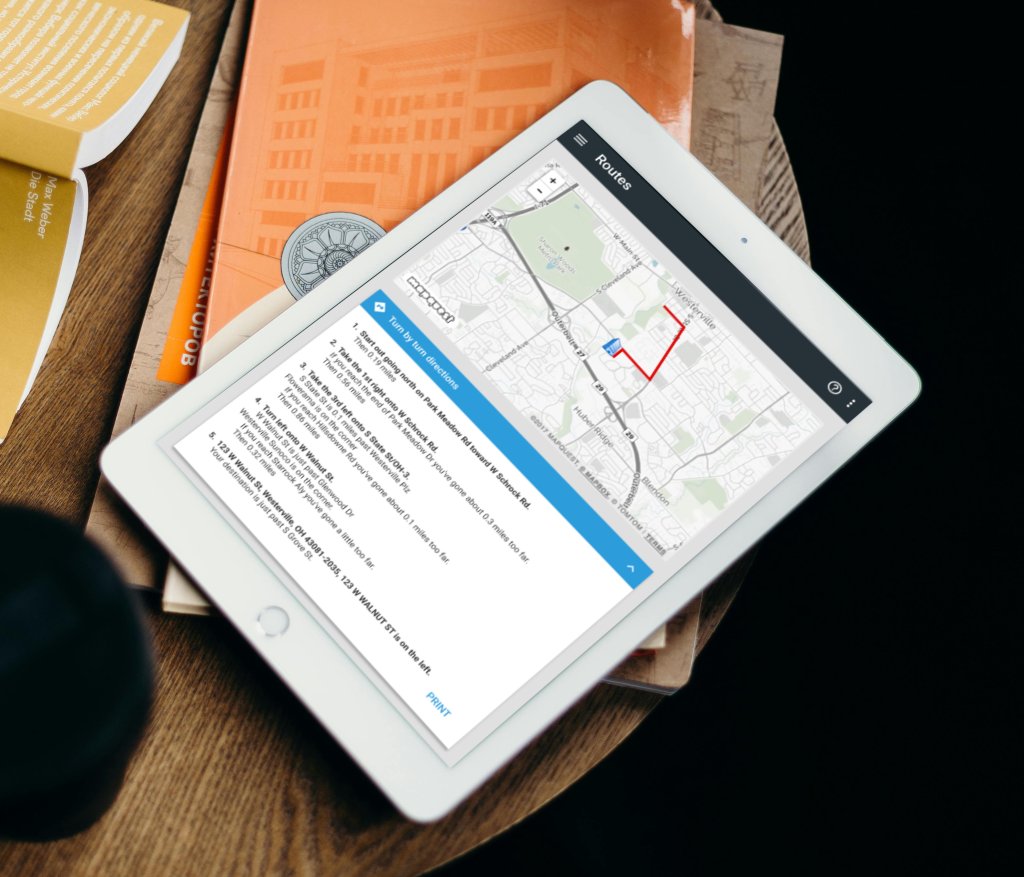

As the project grew, so did the team. I managed six UX design contractors, collaborated with in-house and international developers, and worked closely with client stakeholders to refine the product through user testing. The scale of the redesign was daunting, but we approached it systematically, leveraging Material Design principles and creating a robust design system—later named “Anatomy”—to support the platform’s evolution and future WellSky applications. This system was not just tailored to CareTend but became the standard for all new SaaS solutions at WellSky.
User testing presented unique challenges due to the specialized nature of healthcare facilities, but we overcame them by conducting targeted interviews and live testing sessions. Feedback from these sessions was invaluable, informing iterations of both the platform and the design system. I relished the opportunity to synthesize user insights, apply them to the design, and collaborate with the development team to ensure seamless implementation.
By the time I transitioned off the project, CareTend Anywhere had set the stage for six other major platforms, and the Anatomy design system was established as a core framework for WellSky’s SaaS applications. This project was a testament to the power of iterative design, collaboration, and the ability to scale a solution from a focused initiative to a transformative enterprise platform.
 Jen Maxted